

Knowing When to Upgrade for Better Comfort and Efficiency
Your air conditioning system is essential for keeping your home comfortable—especially during peak summer heat. But like all major appliances, AC units don’t last forever. As systems age, repairs become more frequent, efficiency drops, and comfort suffers.
Knowing when to replace your AC unit can help you avoid unexpected breakdowns, rising energy bills, and uncomfortable indoor conditions. Below are the key signs that it may be time to invest in a new, more efficient air conditioning system.
Clear Signs Your AC May Need Replacement
1. Age of the Unit
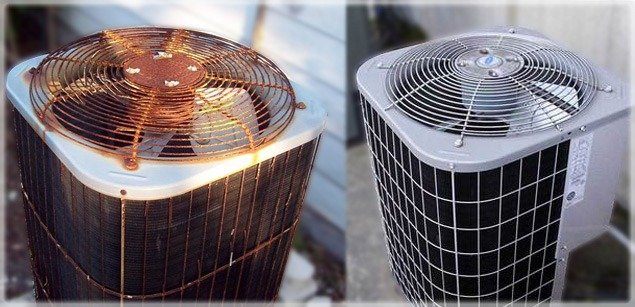
Most air conditioners are designed to last 10–15 years. If your system is approaching or has exceeded this range, declining performance is expected. Older units are less efficient, more prone to breakdowns, and often use outdated refrigerants. Replacing an aging AC with a modern, energy-efficient model can significantly improve comfort and reduce long-term costs.
2. Frequent Repairs
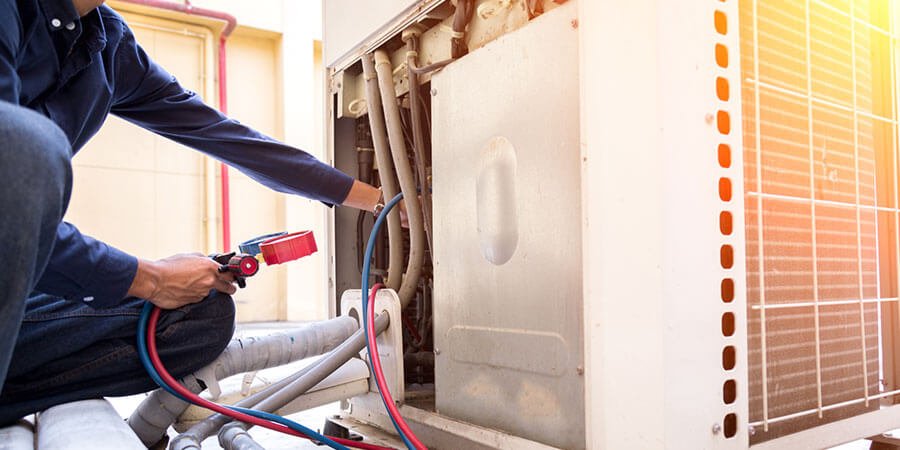
Occasional repairs are normal, but constant service calls are not. If your AC seems to break down every season—or worse, every month—it’s a sign of deeper system issues. When repair costs start adding up or approach the price of a new unit, replacement becomes the smarter, more reliable option. Bonus: new systems come with warranties, which old ones definitely do not.
3. Rising Energy Bills
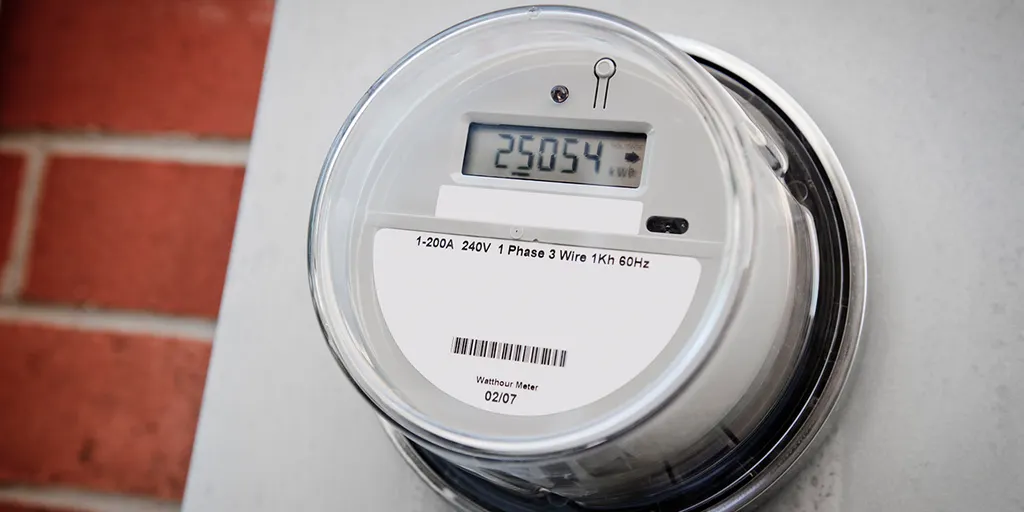
If your energy bills are climbing despite consistent usage, your AC could be losing efficiency. Older systems work harder to maintain the same temperature, consuming more energy in the process. Upgrading to a high-efficiency unit with a strong SEER (Seasonal Energy Efficiency Ratio) rating can lower monthly utility costs and reduce overall energy waste.
4. Excessive Noise or Poor Humidity Control
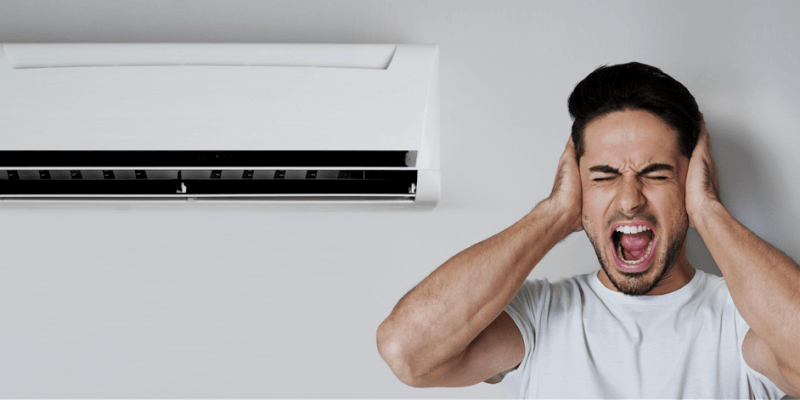
Unusual noises—such as rattling, banging, grinding, or squealing—are often signs of worn or failing components. In addition, if your home feels sticky or humid even when the AC is running, your system may no longer be removing moisture effectively. Newer AC models are designed to operate more quietly and provide superior humidity control for improved indoor comfort.
Final Thought
An aging or inefficient AC doesn’t just affect comfort—it affects reliability, energy costs, and peace of mind. If your system is old, noisy, inefficient, or constantly in need of repairs, replacing it sooner rather than later can save you money and frustration in the long run.
And remember: HVAC technicians are efficient because they always have their ducts in a row.
— Every HVAC tech ever