

the latest Tips from Summers Comfort HVAC
The latest Updates from Summers Comfort
Welcome to our News & Insights page at Summers Comfort! Here, we share the latest updates, tips, and trends in the heating and cooling industry. Our blog is a treasure trove of information designed to help you make the most of your HVAC systems.
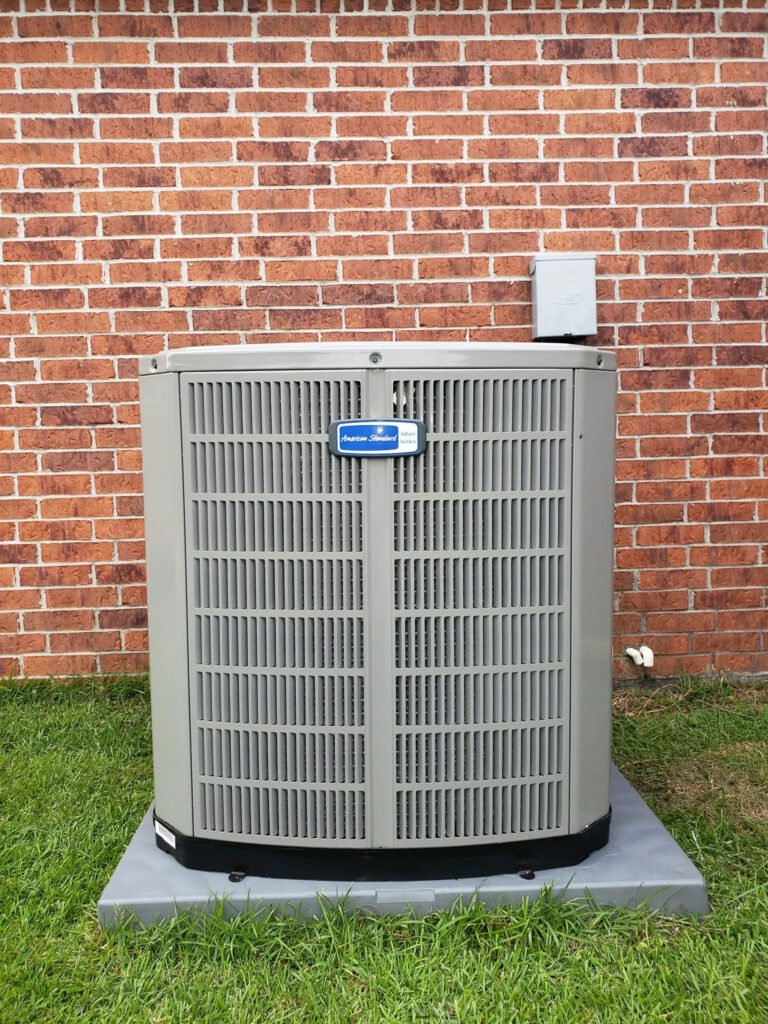
When your heating or cooling system fails unexpectedly in Mount Holly, you need reliable emergency HVAC service that responds quickly. HVAC emergencies don’t wait for convenient times—they often strike during the hottest summer days or coldest winter nights when you need your system most. Understanding what constitutes an HVAC emergency and knowing how to identify urgent problems can help you get the right help fast. At Summers Comfort, we provide 24/7 emergency HVAC service throughout Mount Holly, ensuring your family
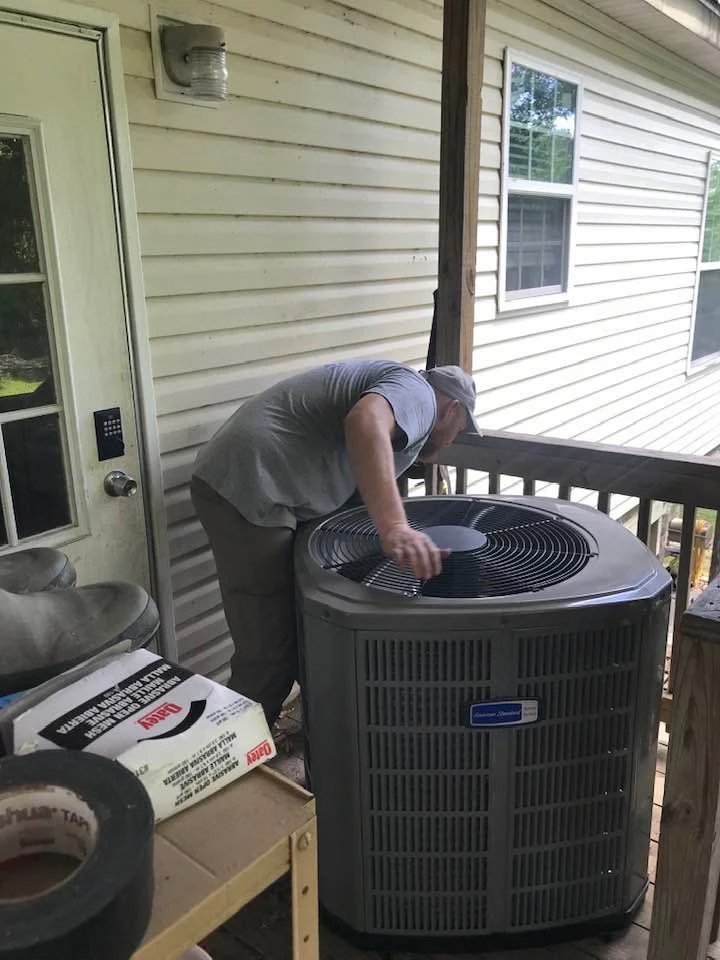
When North Carolina’s sweltering summers hit Mount Holly, having a reliable air conditioning system isn’t just a luxury—it’s essential for your family’s comfort and health. Whether you’re building a new home, replacing an aging system, or upgrading to improve efficiency, choosing the right air conditioning installation Mount Holly approach can make all the difference in your long-term comfort and energy costs. At Summers Comfort, we’ve helped countless Mount Holly homeowners navigate the air conditioning installation process with confidence. Our decades
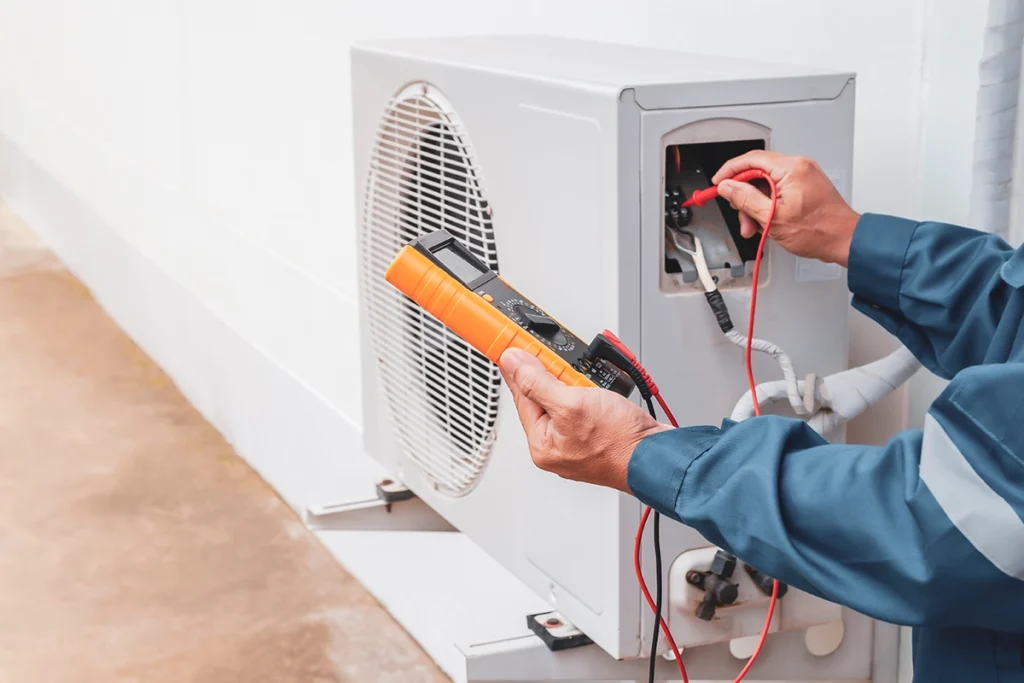
If you’ve ever noticed “EM heat” flashing on your thermostat and wondered what it means, you’re not alone. At Summers Comfort Heating & Air, we get this question all the time—especially during winter. The short answer is that EM heat, or emergency heat, is a backup heating mode your system uses when your heat pump can’t keep up or stops working properly. But there’s a bit more to it than that, and understanding how emergency heat works can help you
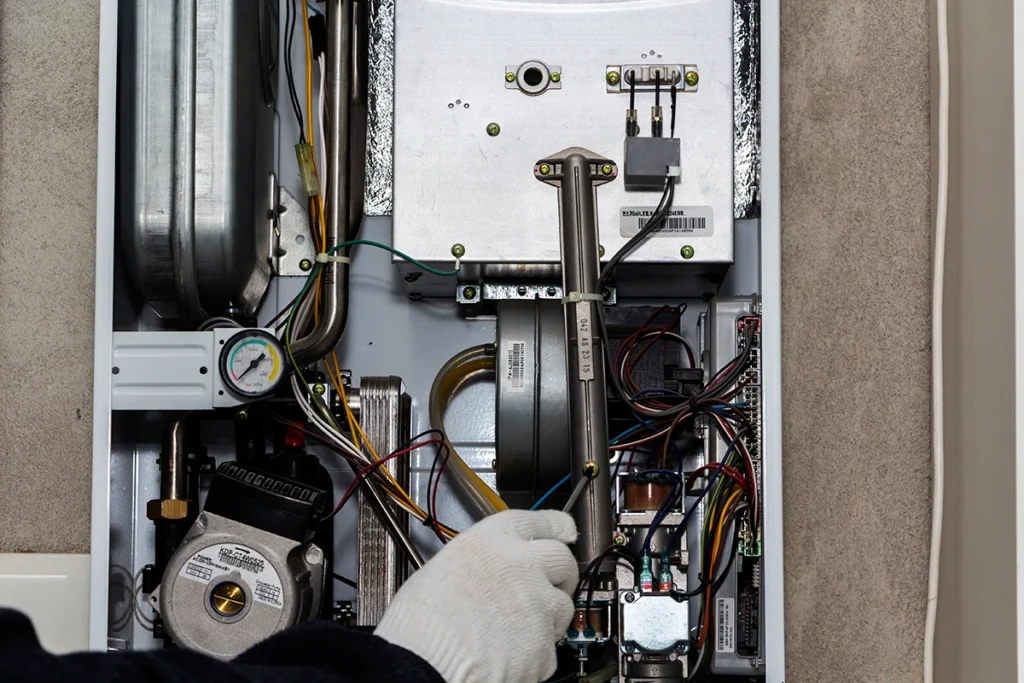
When your furnace suddenly shuts down or starts blowing cold air, it’s easy to assume the worst. But sometimes, the problem traces back to one small—but mighty—part: the furnace limit switch. This safety device quietly protects your system from overheating, and when it malfunctions, you’ll definitely notice. At Summers Comfort Heating & Air, we see this issue every season, and most homeowners don’t realize how important this little switch really is. What Is a Furnace Limit Switch? The furnace limit
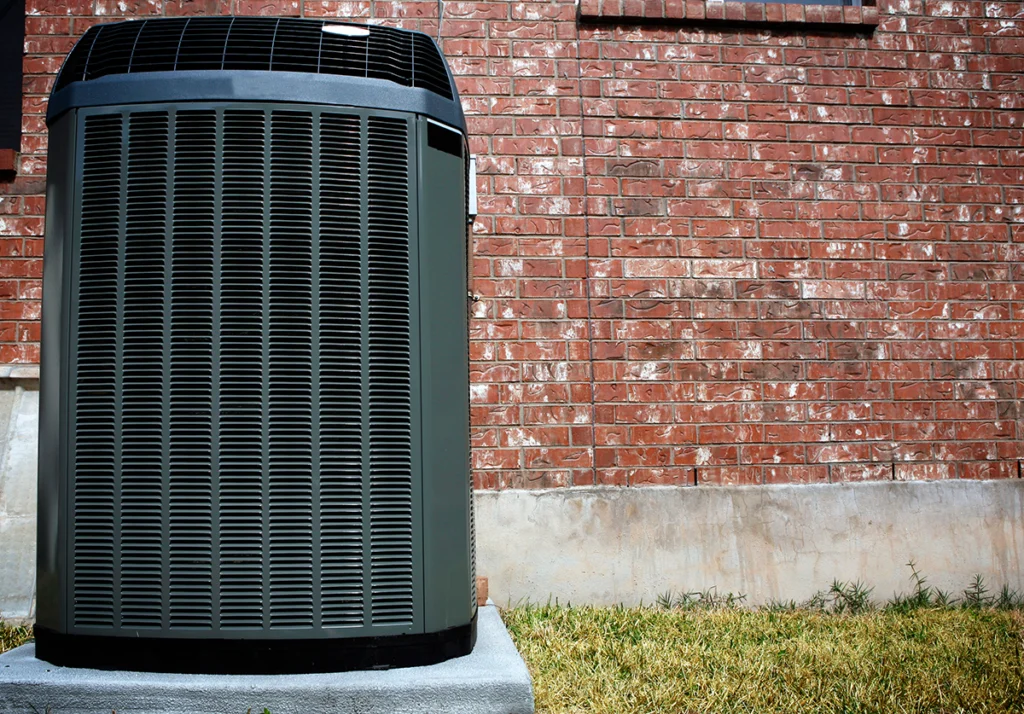
If you’ve ever looked into heating and cooling options, you’ve probably heard about the dual fuel heat pump. Homeowners are curious because it promises the best of both worlds — the efficiency of an electric heat pump and the power of a gas furnace. But does it really deliver? Let’s walk through the pros and cons from the perspective of someone who works on these systems every day. What Is a Dual Fuel Heat Pump? A dual fuel heat pump
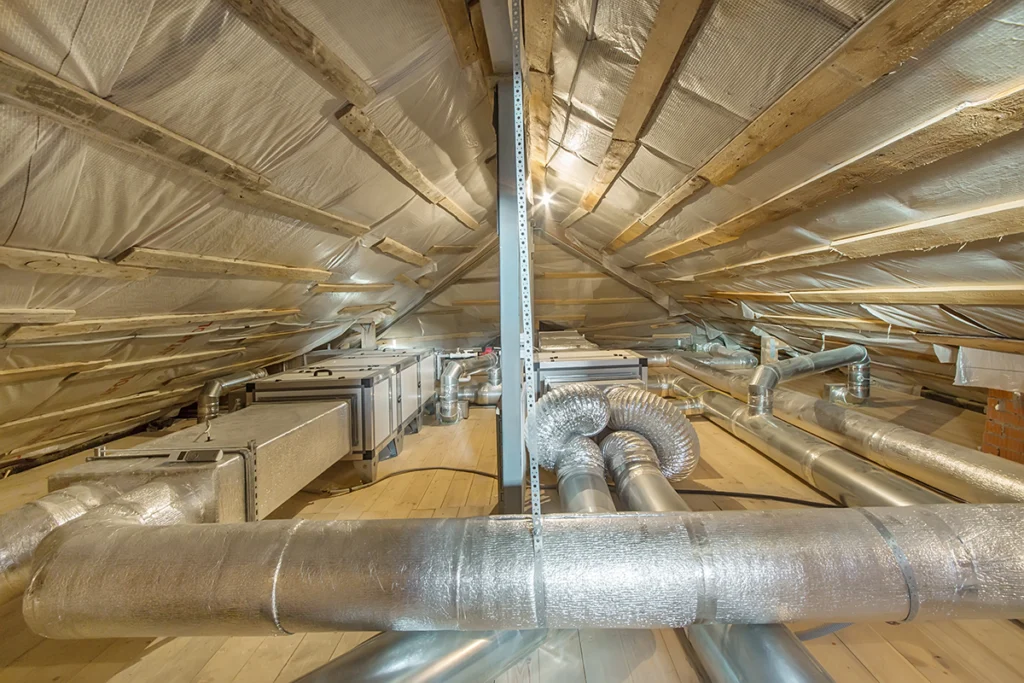
A common question homeowners ask is, what is forced air heating? I hear it a lot when I’m out on calls. People want to know if it’s the same as central heat, if it’s efficient, and whether it’s right for their home. The answer is straightforward: homeowners across the U.S. rely on this type of central heating system, and they’ve done so for decades. But there’s more to the story than just warm air blowing from a vent. What Is
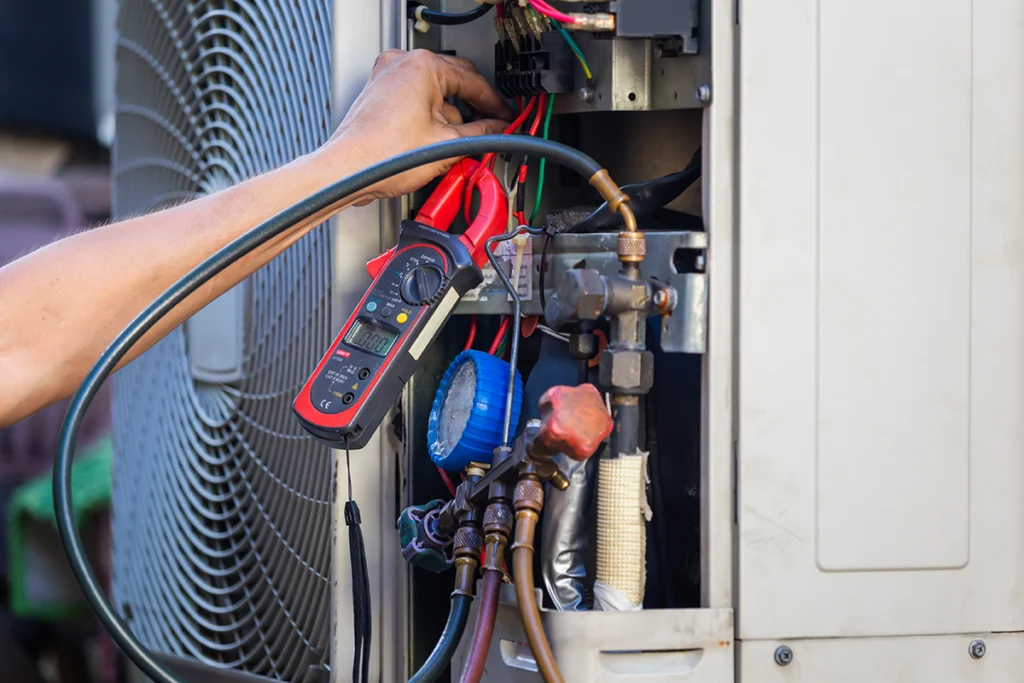
When a customer calls Summers Comfort Heating & Air and says their air con blowing warm air is making the house miserable, I know they need answers fast. Few things are more frustrating than expecting cool air and getting nothing but a lukewarm breeze. The good news is that most of the common causes are easy to find — and many are quick to fix if you catch them early. In this guide, I’ll walk you through the top reasons
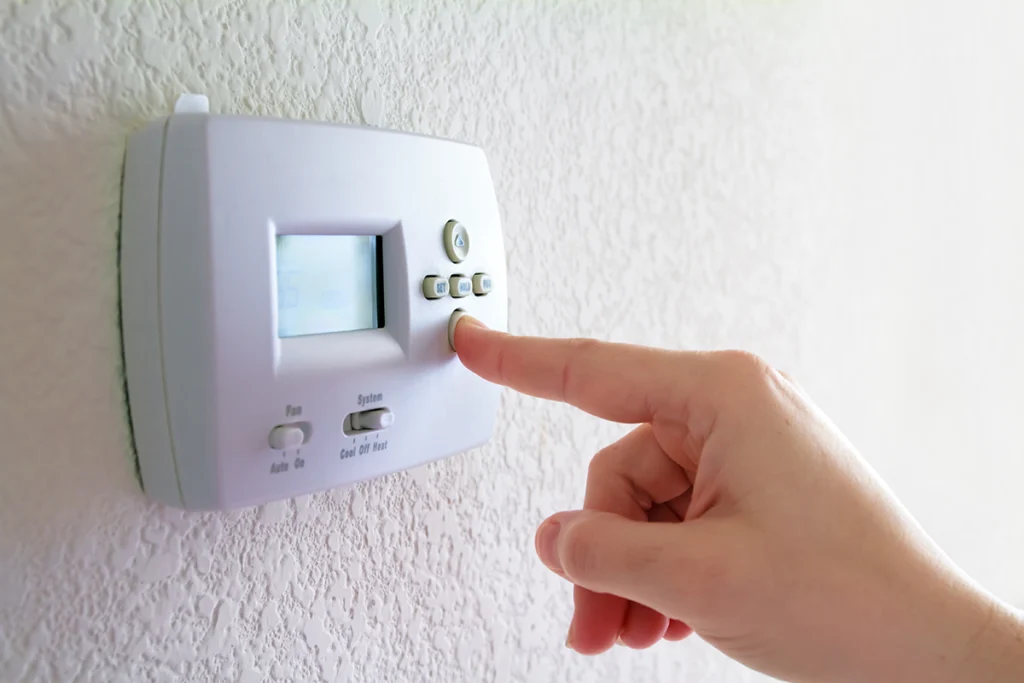
When the weather starts to change, many homeowners ask how to safely switch from AC to heat without causing problems for their HVAC system. As someone who works on heating and cooling systems every day, I can tell you that making this transition the right way can prevent breakdowns and save you money. Let’s look at the simple steps you can take to switch from AC to heat, what to check before you do it, and how to keep your
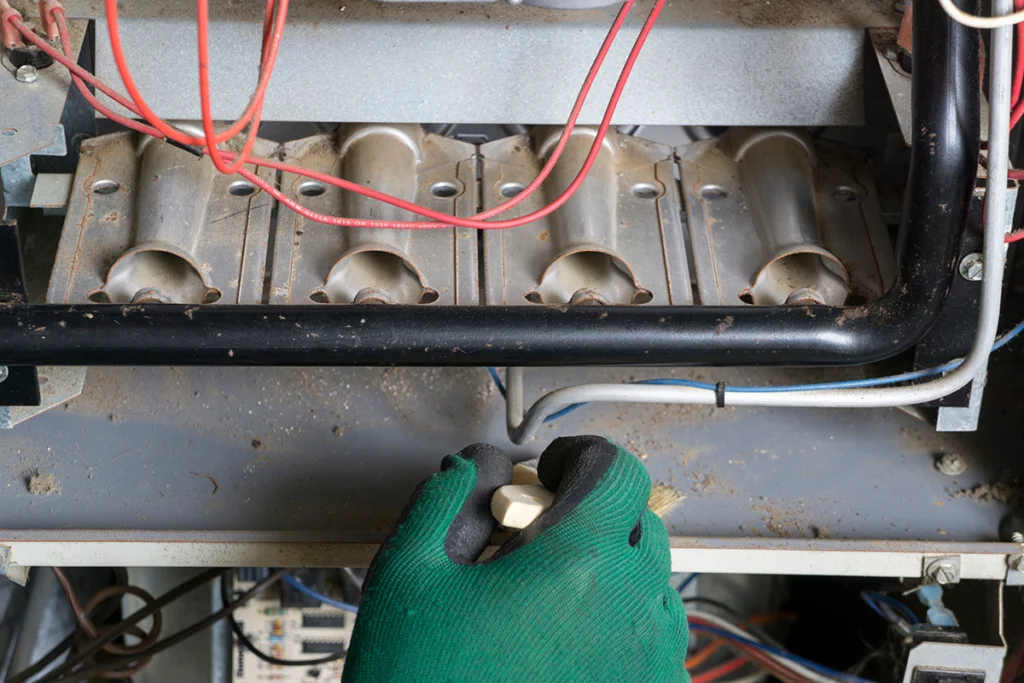
If you’ve ever wondered how your furnace keeps your home warm, the answer often comes down to heat exchanger heating. This key component does the heavy lifting by transferring heat safely and efficiently. Over the years, I’ve seen plenty of homeowners surprised by how important this single part is for comfort, efficiency, and even safety. Let’s break down what a heat exchanger does, why it matters, and how you can keep it running at its best. What Is Heat Exchanger
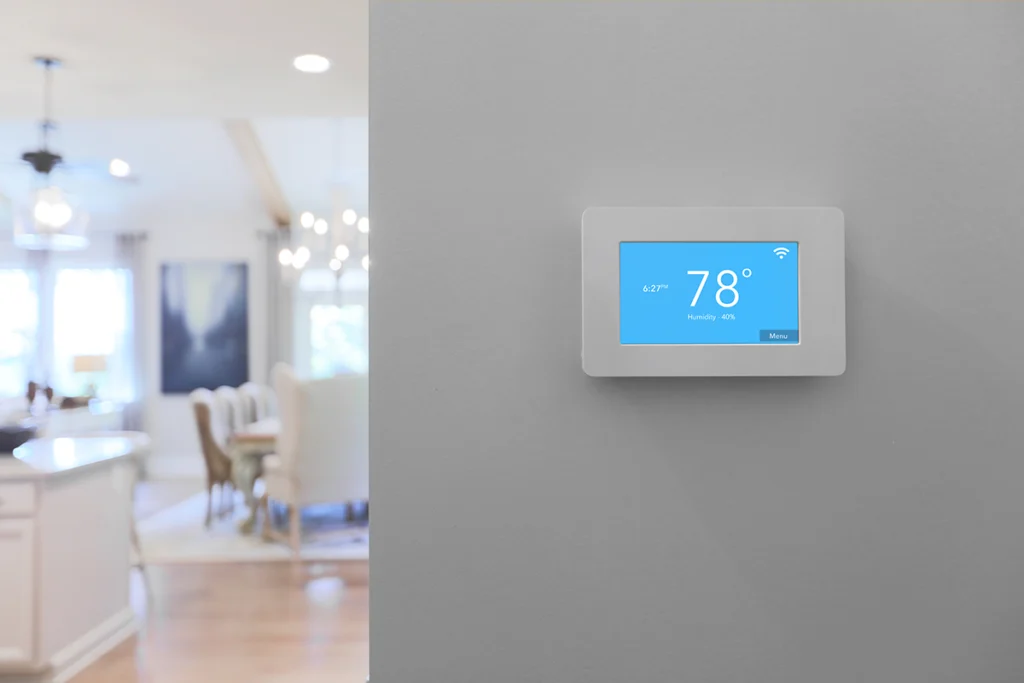
Finding the best humidity level for sleeping can make the difference between tossing and turning or waking up refreshed. At Summers Comfort Heating & Air, we’ve seen how much indoor humidity impacts comfort. Too dry, and you wake up with a scratchy throat. Too damp, and you may notice musty smells or even trouble breathing. Let’s break down what humidity level supports healthy sleep and how you can achieve it. Why the Best Humidity Level for Sleeping Matters Your body
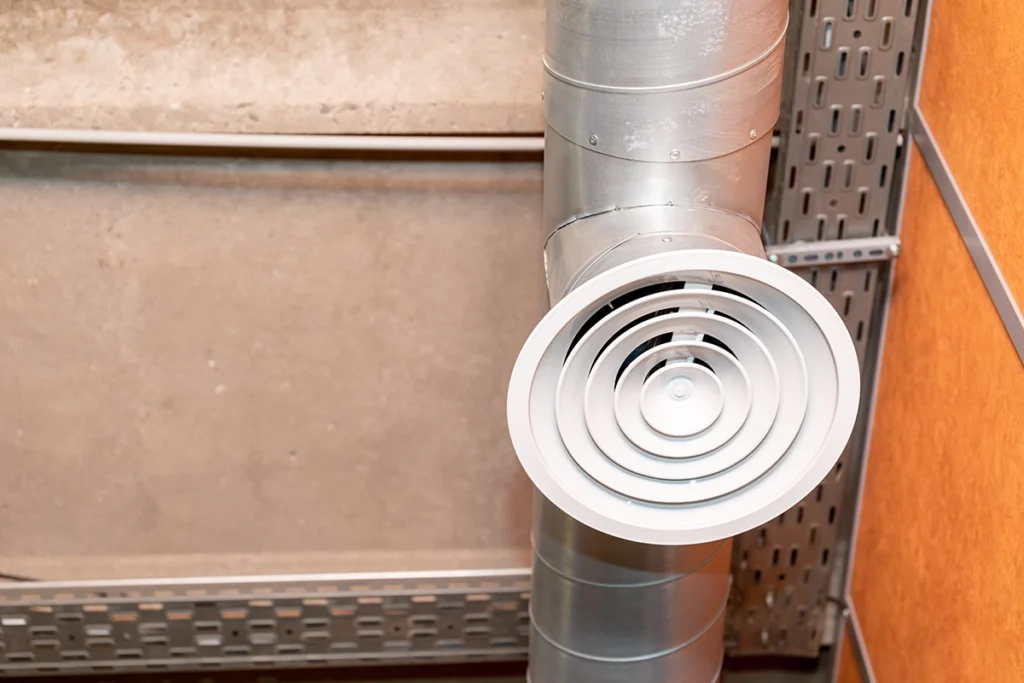
Ever sit in one room that’s freezing while another feels stuffy? A lot of times, the problem isn’t your AC — it’s your HVAC diffuser. That little vent in your ceiling or wall plays a bigger role than most people realize. I’ve seen homes where simply swapping or adjusting a diffuser completely changed the way the space felt. Nobody wants to fight over the thermostat — a properly adjusted diffuser spreads air evenly so every room feels the same. Let’s
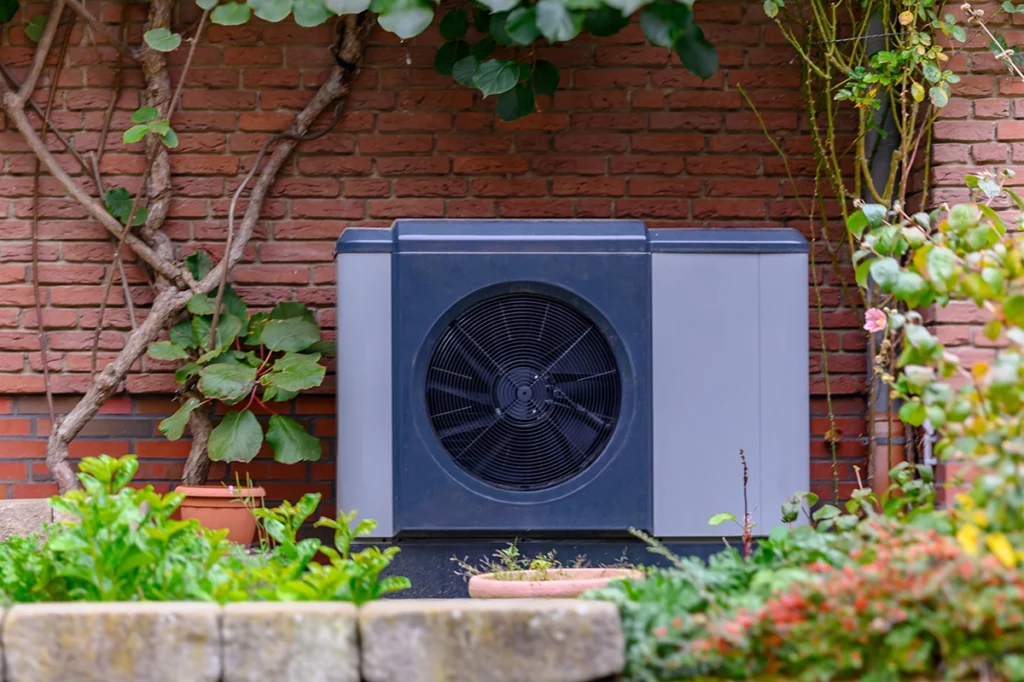
When people first hear about heat pumps, one of the biggest questions they ask is: does it cool or heat your home? The name itself can be a little confusing. Many assume a heat pump only provides heat, but in reality, it’s designed to handle both functions. At Summers Comfort Heating & Air, we explain this all the time to homeowners, because understanding how these systems work helps you make a better choice for comfort and efficiency. How Heat Pumps
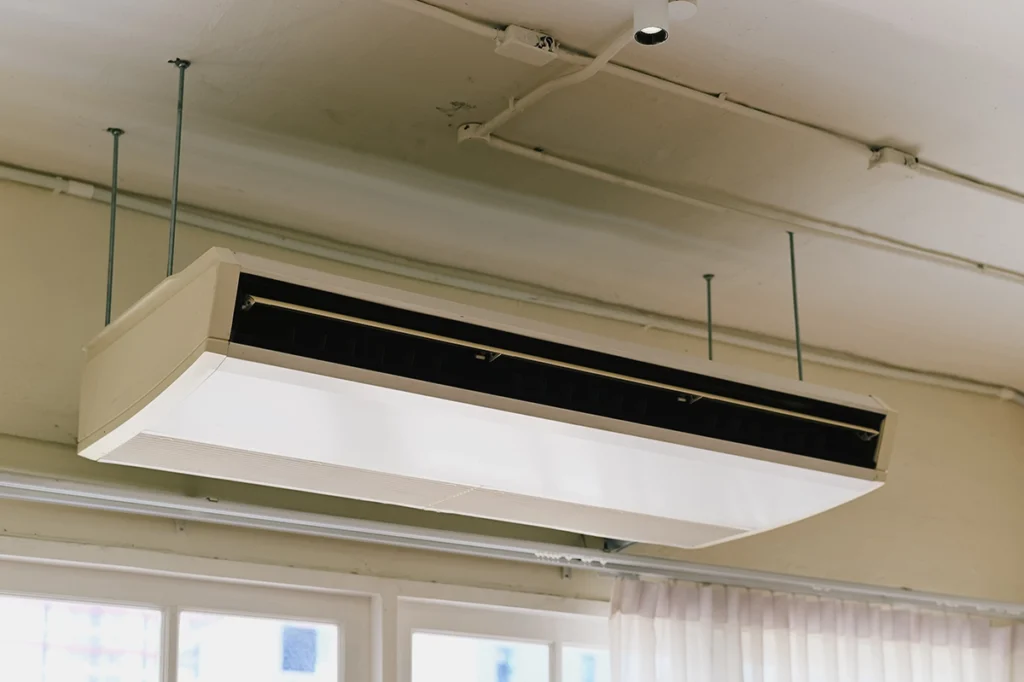
Every so often, I get a call from a homeowner asking about something on their system they don’t recognize. Nine times out of ten, it’s the fan coil unit. Most people know what a furnace or air conditioner is, but this part doesn’t get much attention. Thing is, it plays a bigger role in comfort than most folks realize. What Exactly Is a Fan Coil Unit? Think of a fan coil unit as a small box with two main parts:
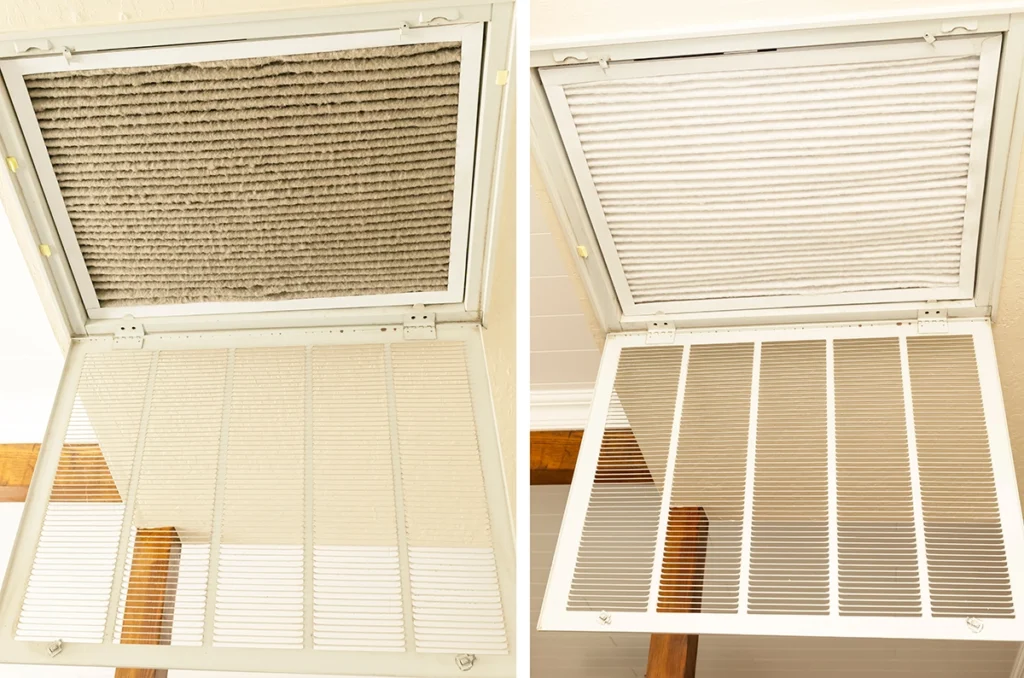
When it comes to indoor air quality, few things confuse homeowners more than the MERV rating on air filters. You may see the numbers listed on packaging, but understanding what they mean is another story. That rating isn’t just a random figure—it determines how well your filter can trap dust, pollen, pet dander, and other particles. At Summers Comfort Heating & Air, we’ve walked countless homeowners through choosing the right filter. Let’s break down the MERV rating system, how it
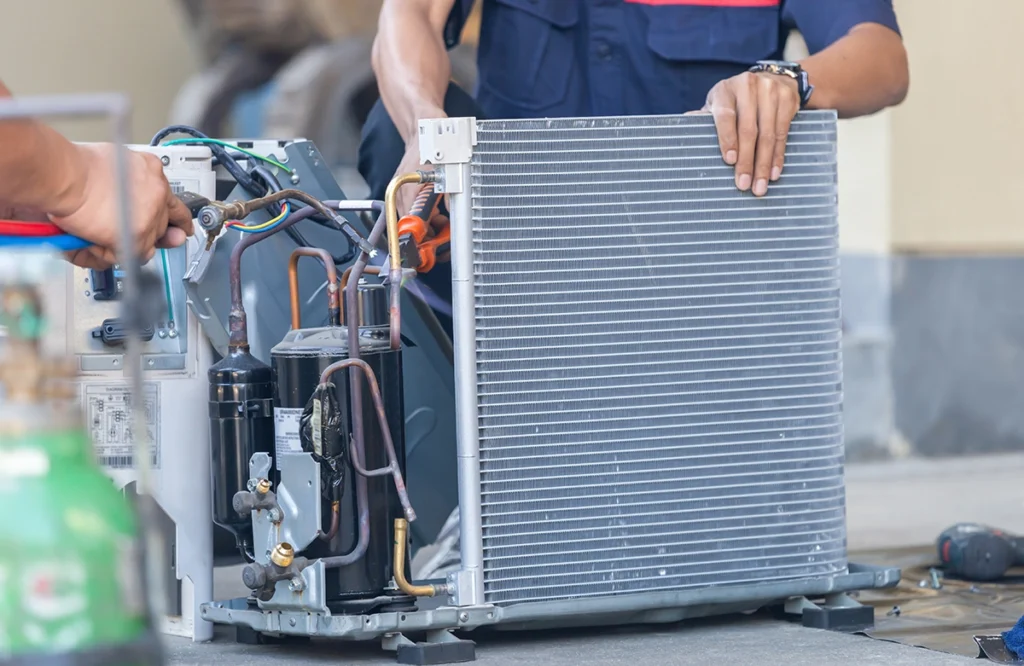
When it comes to comfort, nothing is more important than dependable cooling and heating in your home. That’s why so many homeowners turn to Summers Comfort Heating & Air for professional service. We know that when your system isn’t working, your whole routine is disrupted. Our team specializes in MT. Holly air conditioning and heating solutions that keep families comfortable year-round. Why MT. Holly Air Conditioning and Heating Matters Living in North Carolina means dealing with hot, humid summers and